Grieving a Pet Is Real Grief: Compassionate Counseling for Pet Loss in Sacramento, CA
Losing a pet can be an excruciating loss for an individual or family. I know this from experience, as I just had to say goodbye to my fifteen-year-old dog, Butterscotch, on Saturday. Although I wrote this blog a week ago and knew that her time here was limited, I was still moving through the day-to-day, focusing on gratitude that she continued to eat, walk, and enjoy life. I returned to this blog to make edits because the vulnerability and sadness that follow this kind of loss are truly gut-wrenching.
Whether you got your pet when you were a child and they grew alongside you into adulthood, or you only had your pet for an unexpectedly short amount of time, the impact of that loss can ripple through many areas of your life. A pet provides connection in countless ways. Lying next to you while you read, drive, or sleep. Joining you in everyday routines and big adventures. And if you are lucky, there is the privilege of watching and caring for them as they age with you. Once you are attached to a pet, the very thought of life without them can bring anticipatory grief and quiet sadness. When that grief feels heavy or difficult to carry alone, grief counseling for pet loss can offer a supportive space where the depth of that bond is acknowledged and honored.
Pets as Family, Comfort, and Constant
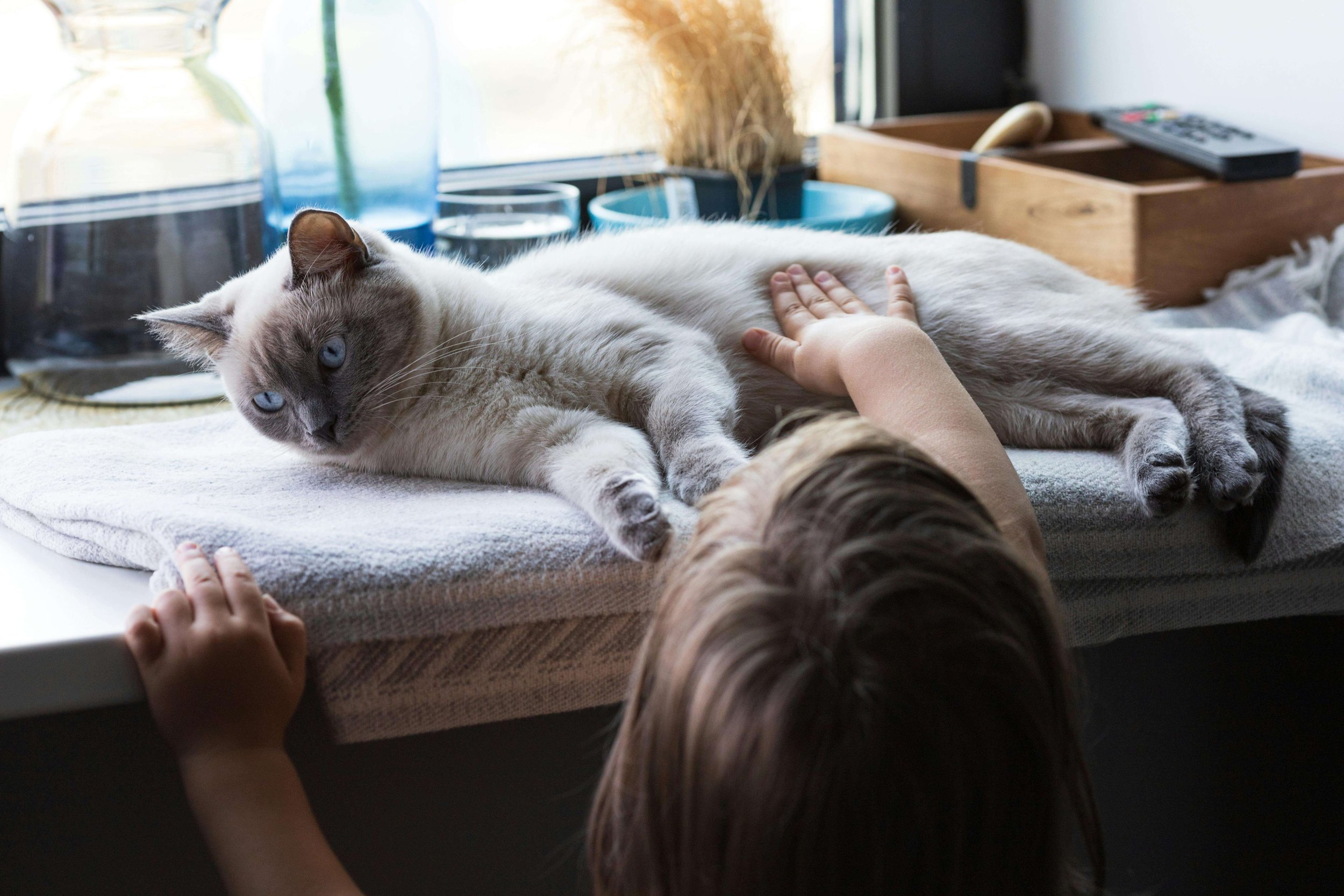
For many people, a pet is not simply an animal that shares their home. A pet is family, comfort, routine, and emotional safety. Pets witness and participate in our everyday moments, our growth, our daily rhythms, and our hardest days without judgment. They are present in ways that feel deeply grounding, offering companionship that feels constant and reliable, especially during times of stress or loneliness.
For some, a pet entered their life before children, before marriage, or before major adult responsibilities took shape. That pet may hold memories of who you were in earlier chapters of your life. They were there during first apartments, career changes, breakups, moves, and moments of becoming. Pets often bear witness to milestones both large and small, becoming woven into the fabric of your personal history. In many cases, friends and family members also grow attached to our pets, making the loss something that ripples outward beyond just one person.
How Do Pets Calm the Nervous System?
Even the most ordinary moments with a pet can have a powerful impact on the body and nervous system. Reaching for a leash, petting their head, holding them close to your chest, or hearing them drink water can release oxytocin while reducing stress. These repeated interactions quietly shape emotional regulation and offer comfort in ways many people depend on for their overall quality of life.
Pets are often present during major life transitions. Moves, illness, grief, periods of isolation, or emotional upheaval. A pet may have been the one consistent presence when everything else felt uncertain. When that presence disappears, the loss can feel disorienting and deeply painful.
When a pet dies, the grief can be profound. You may feel there is a right or wrong way to grieve the loss of your incredible companion. I woke up the morning after she died, the first morning without her here, and knew I needed to deep clean the house with Whitney Houston playing on Pandora. The shift from “I Will Always Love You” to “I Wanna Dance with Somebody” was deeply welcomed. I knew there was and still is no escaping my continual thoughts. Did I make the right decision? Was she ready? Could she have stood on her own again?
Learning to Move Through the Quiet

So I allowed myself space to focus on doing something physical while being immersed in thought and grief. I have no doubt I will continue to find myself crying at the sight of her dog beds or thinking I hear her drinking water.
Grieving a pet is real grief. It deserves care, space, and compassion.
Pets often play central roles in emotional regulation. They provide structure to the day, reasons to get up in the morning, and comfort during periods of stress, illness, or emotional overwhelm. Daily routines are built around feeding, walking, playing, or simply being together. When a pet dies, those routines can disappear overnight, leaving behind silence and empty space.
Many people describe how quiet the house feels after a pet’s death. You may still hear sounds that are no longer there or instinctively look for your pet in familiar places. You might reach for them during moments of distress, only to remember they are gone. These moments can bring sudden waves of sadness that feel intense and unpredictable.
The Emotional Weight of Pet Loss
Pet loss grief can include a wide range of emotions. Sadness is often present, but so are guilt, anger, anxiety, and sometimes even relief, especially if your pet had been suffering. Many people replay decisions about medical care or euthanasia, questioning whether they waited too long or acted too soon. These thoughts can become consuming and exhausting, even when you know intellectually that you did the best you could.
This type of grief is often considered disenfranchised grief, meaning it is not always socially recognized or validated. When grief is not openly acknowledged, people may feel pressure to hide their emotions, minimize their pain, or move forward before they are ready. You may find yourself grieving privately, unsure where or how to talk about your loss without feeling judged.
Over time, unacknowledged grief can deepen feelings of loneliness and self-doubt. You might wonder why you are still hurting or question whether something is wrong with you for feeling so attached. In reality, your response reflects the depth of the bond you shared.
Support Through Grief Counseling for Pet Loss in Sacramento, CA
Grief counseling for pet loss in Sacramento, CA, with a grief counselor offers a space where this bond is honored and taken seriously. Therapy provides a place to talk openly about your relationship with your pet, the role they played in your life, and the complicated emotions that often follow their death. You do not need to justify your grief or explain why it matters.
At Attune Therapy Practice, counseling can also support anxiety that may arise after pet loss. Some people become hesitant to form new attachments, worried about experiencing this kind of pain again. Others feel unsettled without the emotional comfort or daily rhythm their pet provided. These responses are deeply human and understandable when a significant source of connection has been lost.
Compassionate pet loss counseling supports individuals in processing grief in a way that feels respectful and unhurried. Therapy with a grief therapist may involve reflecting on memories, exploring guilt or unresolved feelings, and finding ways to honor or memorialize your pet in meaningful ways. For some, this includes rituals, creative expression, or simply having space to say their pet’s name aloud.
Grief Counseling for Pet Loss in Sacramento, CA, at Attune Therapy Practice

Losing a pet can quietly unravel your sense of safety, routine, and emotional grounding. For many people, the grief doesn’t pause life on the outside. You may still be showing up to work, caring for others, and handling daily responsibilities, while inside you’re carrying deep sadness, guilt, loneliness, or a persistent ache that’s hard to explain. Because pet loss is often minimized by others, this grief can feel especially isolating. At Attune Therapy Practice, grief counseling for pet loss in Sacramento, CA, offers a compassionate space where your bond, your loss, and your pain are taken seriously.
Here’s how you can begin:
Schedule a consultation to talk openly about how losing your pet has affected your emotional well-being, daily rhythm, or sense of connection, without having to justify why it hurts so much.
Begin grief counseling for pet loss in Sacramento, CA, with a therapist who understands the depth of human–animal bonds and the unique grief that follows their loss.
Receive gentle, grief-informed support to process sadness, guilt, anger, or emptiness while finding steadiness at a pace that respects your relationship and your healing.
You don’t have to “move on” or downplay your pain to be understood. Working with a grief therapist who specializes in pet loss can help you honor the love you shared while learning how to carry the loss with greater compassion, balance, and emotional support.
Therapy Services Available Across Northern California
Alongside support for pet grief and loss, Attune Therapy Practice provides therapy for individuals and couples in Sacramento, CA, and throughout Northern California. Services address a range of concerns, including anxiety, individual grief counseling, couples grief counseling, and LGBTQ+ affirming care.
Therapy is tailored to your lived experience rather than a one-size-fits-all model. Care is offered through an inclusive, trauma-informed lens that honors identity, relationships, and the many ways loss and stress can show up. Whether you’re managing anxiety, grieving alongside a partner, navigating questions of identity, or mourning the loss of an animal companion, support is provided with clinical depth, compassion, and respect.
Meet Heather Schwartz, Grief Counselor for Pet Loss in Sacramento, CA
Heather Schwartz is a Licensed Clinical Social Worker with over a decade of experience helping individuals process grief, loss, and life transitions. She holds a Master’s degree in Contemporary Art and began her career leading expressive, art-based support groups for adults coping with illness and bereavement through a nonprofit organization in Montana.
Outside of her clinical work, Heather enjoys time in her art studio, being outdoors on long walks and hikes with her dogs, and traveling with her husband.